


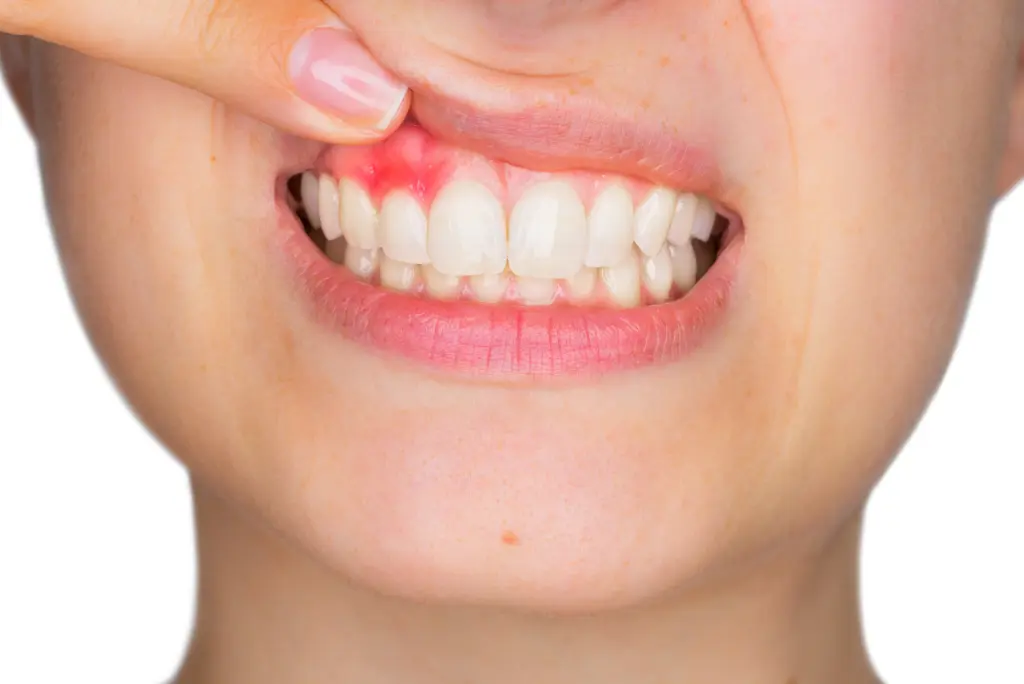
Gum disease is an infection of the tissues surrounding and supporting your teeth. It is a disease that is usually painless but is a major cause of tooth loss. It is also referred to as periodontal disease and is caused by plaque (the sticky film of bacteria on your teeth).
Some factors that can increase your risk of developing gum disease:
- Smoking/chewing tobacco
- Crooked teeth that are hard to keep clean
- Genetics
- Poor oral hygiene
- Pregnancy
- Diabetes
- Certain medications – steroids, some types of anti-epilepsy drugs, cancer therapy, some calcium channel blockers, and oral contraceptives
What are the stages of gum disease?
Gingivitis – The first stage
This is inflammation of the gums caused by the buildup of plaque at the gum line. If it is not removed properly on a daily basis, it can produce toxins that irritate the gum tissue, then leads to gingivitis
Periodontitis – The second stage
Periodontitis is when the supporting fibers and bone that keep your teeth in place, have been irreversibly damaged.
Advanced Periodontitis – The last stage
Advanced periodontitis is when the bone and fibers supporting your teeth have been destroyed. As a result, your teeth will begin to loosen and shift. If aggressive treatment isn’t taken, your teeth may be damaged beyond repair.
What are 5 signs of gum disease?
If gum disease is detected early, the damage can be reversed. For this reason, it is crucial that you make an appointment with Dr. Trujillo if you have any of these symptoms:
- You consistently have a bad taste in your mouth or bad breath
- When flossing or brushing, your gums begin bleeding
- Your gums are swollen, tender, puffy, or red
- Your teeth fit differently when you bite
- You observe pockets in your mouth due to gum recession
How does Dr. Trujillo treat gum disease?
Prevention is the best method, which consists of regular cleanings and check-ups. The earlier that gum disease is detected, the better the chances are that it will be treatable before it’s too serious. Some treatment options include professional cleaning, root planning, and more extreme treatments such as skin grafts and regenerations. But this is something to be discussed during your exam.
If you are suffering from these symptoms, or someone else in your family is, please don’t hesitate to contact us. We’ll get you set up with an appointment with Dr. Trujillo to address all of your needs.


